Tuesday, May 20, 2025

Homeopathy Remedies for Eczema in Gaur City

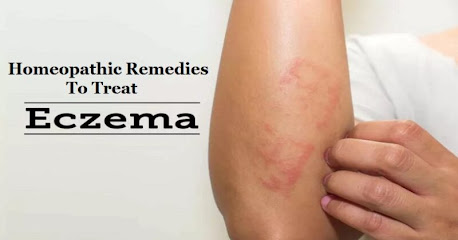
 Eczema is a chronic skin condition characterized by dryness, itching, and inflammation, affecting people of all ages. Conventional therapies bring temporary relief, but homeopathy remedies for eczema offer long-lasting results by addressing the root cause of the disease. This blog discusses eczema types, causes, symptoms, and effective homeopathic treatment.


What Is an Eczema?


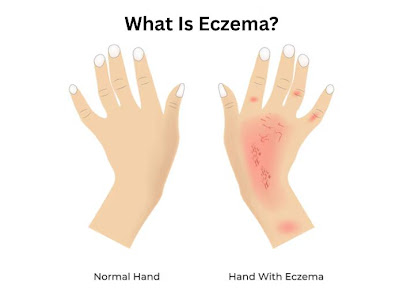
Atopic dermatitis, commonly known as eczema, results in dry, itchy, and inflamed skin, which may also develop blisters. Oozing and bleeding sometimes occur. Eczema is not contagious but rather frequently long-lasting and often has flare-ups, which come and go.


The disease typically begins in childhood, although it can be acquired by adults as well. The severity of eczema may range from mild dryness and itching to extreme inflammation and pain.

Types of Eczema


Eczema exists in many forms, each with different causes and signs. Knowing the type aids in selecting the proper treatment.


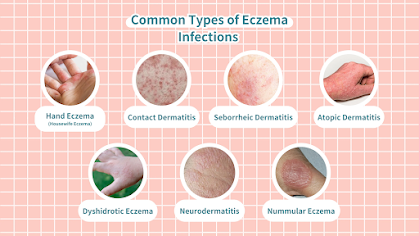
  • Atopic Dermatitis: The most prevalent form, usually associated with allergies, asthma, or hay fever. Results in dry, itchy, and inflamed skin.

  • Contact Dermatitis: Results from direct skin contact with irritants or allergens such as soaps, chemicals, or metals. Results in redness, itching, and burning.

  • Dyshidrotic Eczema: Comprises tiny, itching blisters on the feet and hands. It is usually caused by stress, sweating, or allergens.

  • Nummular Eczema: Takes place in the shape of coin-sized, circular patches on the skin. Dry skin or skin damage triggers it.

  • Seborrheic Dermatitis: Develops on oily skin, like the scalp, face, or chest. It results in scaly red patches and dandruff.

  • Stasis Dermatitis: Develops on the lower legs as a result of inadequate circulation or varicose veins. It causes swelling, redness, and itching.

Symptoms of Eczema


Eczema is a skin disorder that leads to itching, dryness, redness, and inflammation. Night itching results in scratching that may irritate the skin and cause cracks. Flare-ups are precipitated by allergens, stress, or changes in the weather. Symptoms may become worse without proper care.


Common Symptoms of Eczema


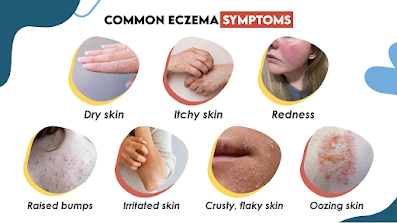
  • Itching: Severe itching, particularly at night, is the characteristic symptom.

  • Dry Skin: The skin feels dry, flaky, or rough to the touch.

  • Redness and Inflammation: Treated areas are usually red, swollen, and inflamed.

  • Blisters: Tiny, fluid-filled blisters can occur, occasionally oozing or crusting over.

  • Thickened Skin: Long-term scratching can lead to thickening and a leathery texture of the skin.

  • Cracks in the Skin: Deep cracks can develop, allowing the skin to be more prone to infection.

  • Skin Discoloration: The skin can get dark or light spots, especially in those areas that have been scratched over and over.

  • Burning or stinging: These can occur on flare-ups or in very sensitive areas of skin.

Causes of Eczema


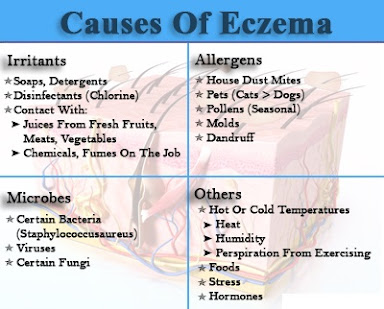
Eczema’s exact origin is not well understood, but it is believed to be caused by genetic and environmental factors. Common triggers include:


  • Genetics: A family history of eczema, asthma, or hay fever can increase the likelihood of a child developing eczema.

  • Weakened immune system: The immune response is abnormal to irritants or allergens.

  • Irritants: Soaps, detergents, shampoos, and disinfectants can trigger eczema flare-ups.

  • Allergens: Dust mites, pollen, mold, and pet dander may worsen symptoms.

  • Weather: Extremely cold or hot temperatures can dry out the skin.

  • Stress: Emotional stress often triggers or worsens eczema.

  • Dietary factors: Dairy products, gluten, nuts, and seafood may act as triggers for some individuals.

Homeopathy Treatment for Eczema


Homeopathy is a system of natural medicine based on the law of "like cures like." It seeks to cure the underlying cause of the condition by taking into account the patient's physical symptoms, mood, lifestyle, and medical history.


How Homeopathy Works for Eczema?

  • Boosts natural immunity

  • Reduces skin inflammation and dryness

  • Minimizes the recurrence and severity of flare-ups

  • Addresses emotional triggers like stress and anxiety

  • Customized to individual needs


Best Homeopathic Remedies for Eczema

The following are some of the most often prescribed homeopathic medicines for eczema. These are chosen after proper case-taking by an experienced homeopathy physician:


1. Graphites

  • Aided for eczema with sticky, oozing discharge that is thick.

  • Skin is hard, cracked, and rough.

  • Often prescribed for patients with a cold nature and constipation.


2. Sulphur

  • Especially useful for severe itching and burning.

  • Aggravated with heat and washing.

  • Skin appears dirty and sickly.


3. Mezereum

  • For eczema with thick crusts and oozing pus.

  • Severe itching, aggravated at night.

  • Usually occurs in cases involving the scalp.


4. Rhus Toxicodendron

  • Benefits when eczema is made worse by cold, damp weather.

  • Itching with redness and swelling.

  • Gets better with warm applications.


5. Natrum Muriaticum

  • It is effective for eczema caused by mental stress or bereavement.

  • Skin is dry and chapped.

  • Usually given for eczema near the hairline and edges of the scalp.


6. Calcarea Carbonica

  • For fair children with a chubby physique.

  • Eczema, along with sweating of the head.

  • Usually has stomach problems and retarded milestones.


7. Petroleum

  • For dry, cracked skin that oozes blood.

  • Increases in winters.

  • Suitable for thick, hardened skin on palms and soles.
Disclaimer:


The article is intended for general information purposes only, and not medical advice. Homeopathic treatments for eczema can be of varying efficacy. Contact a qualified homeopath or medical professional before treatment, particularly if you have medical conditions or are taking other medication. Individual results will differ and may not substitute for professional medical treatment.


Frequently Asked Questions (FAQs)

Q1: Is homeopathy safe for children with eczema?

Yes, homeopathy is safe for children and can be used to minimize flare-ups and discomfort without side effects.


Q2: How long does it take for homeopathy to treat eczema?

Homeopathy addresses the cause, so improvement may take a few weeks to months, depending on the severity. Nevertheless, most patients observe a steady improvement in symptoms.


Q3: Can I discontinue steroid creams after beginning homeopathy?

Stop the use of any existing drugs with your homeopathy physician. Stopping gradually is generally recommended under observation.


Q4: Is eczema permanently cured with homeopathy?

Homeopathy aids in long-term remission through strengthening immunity and minimizing triggers. Permanent cure is a function of various individual factors.


Q5: Can allopathy and homeopathy be used together?

Wherever possible, they can be combined, but it is always better to take your doctors' permission for coordinating the same.


Consult with Dr. Deepika


Best homeopathy doctor in Gaur City, Dr. Deepika, treats eczema with customized homeopathic treatment. With extensive years of experience in the field of homeopathy treatment, she practices safe and beneficial treatments that diagnose the root cause, giving sustainable relief and healthy healing for diseases like eczema.

Thursday, May 8, 2025

Hair Loss Symptoms and Recognising Early Signs

 Baldness or alopecia, as it is otherwise called medically, is a situation where a person sheds more than the usual shedding of 50–100 hairs per day as part of the Hair loss is the gradual disruption of the natural hair growth cycle, resulting in thinning hair or bald patches on the scalp or other parts of the body. In most cases, losing the aforementioned number of hairs is a normal phenomenon, but when hair is shed quicker than it grows, there is noticeable baldness.

Signs and Symptoms of Hair Loss

Hair loss may occur gradually, and identifying the earliest signs is necessary for early intervention. Some of the most typical signs that signal you are likely losing hair include:


Increased Shedding of Hair

Noticing more hair than usual on your pillow, comb, or in the shower could be an early sign of hair loss. Exceeding the usual 50–100 hairs shed per day could be a red flag.


Widening Hair Part

A widening or thinning in your hair part that can be seen or a thinning of the crown area of your head, is a common symptom, often in women, that shows that your hair is gradually thinning.


Thinning Ponytail

If your ponytail is dramatically thinner or does not have the same volume it used to, it may signal that the hair is losing its density, one of the early signs of baldness.


Receding Hairline

A receding hairline, particularly at the temples or forehead, is a significant sign of baldness, primarily in men. Women may also experience thinning in the front area of the scalp, similar to the pattern seen in men.


Causes of Hair Loss

Knowledge of the reasons behind hair loss can assist in the choice of appropriate treatment. Hair loss may result from:


1. Genetics

The main cause of hair loss is genetic alopecia, also referred to as androgenetic alopecia. This hereditary condition can impact both men and women.


2. Hormonal Changes

Thyroid imbalance, pregnancy, menopause, and PCOS can cause changes in hormone levels and result in hair loss.


3. Medical Conditions

Conditions like alopecia areata, scalp infections, and other autoimmune disorders can lead to hair thinning.


4. Treatment and Medication

Chemotherapy medications, antidepressants, anticoagulant drugs, and other medications may result in temporary or even permanent loss of hair.


5. Stress

Emotional or physical stress, such as surgery, fever, or significant life alterations, can force follicles into shedding.


6. Nutritional Deficiencies

Insufficient iron, zinc, biotin, protein, and vitamins D and B12 can weaken hair strands and result in significant hair loss.


7. Hair Styling and Products

Heavy use of heat styling tools, harsh shampoos, chemical dyes, or tight hairstyles is responsible for damaged hair shafts and roots.


Diagnosis of Hair Loss


An accurate diagnosis is crucial to identify the cause of hair loss and determine the right treatment. It could involve:


1. Physical Examination

Your hair pattern and scalp are inspected by a trichologist or dermatologist for breakage or thinning.


2. Medical History

Lifestyle, diet, medications, recent illness, and family history are asked about.


3. Pull Test

During this test, the doctor pulls on a few hairs to observe how easily hair is pulled out.


4. Scalp Biopsy

A scalp skin sample is taken with a microscope it, if there is suspicion of a medical condition.


5. Blood Tests

These are used to find out deficiencies, hormonal levels, or autoimmune diseases that may be causing hair loss.


Hair Loss Treatment in Homeopathy


Homeopathy treatment for hair loss helps manage the condition naturally by addressing the root cause without causing side effects. Unlike conventional treatments that often focus only on external symptoms, homeopathy targets the internal imbalances—whether hormonal issues, stress, nutritional deficiencies, or scalp infections—that lead to hair fall. This holistic approach supports long-term results and overall well-being.


Benefits of Homeopathy for Hair Loss:


  • No Side Effects: Homeopathic medicines are safe and long-term usable.

  • Root Cause Healing: Stress on identifying the root cause—stress, hormonal imbalance, or nutritional deficiency.

  • Personalised Remedies: Each patient is treated according to their individual symptoms and constitution.

  • Safe for All Ages: Can be used by children, adults, and geriatric patients.


Homeopathy Medicine for Hair Loss

There are some good homeopathic medicines for hair loss, each of which is selected depending on the symptoms of the individual. Here are some of the most frequently recommended homeopathic medicines:


1. Thuja Occidentalis

Useful in cases of hair loss linked to dandruff or excessive scalp oiliness.


2. Lycopodium Clavatum

Most appropriate for premature balding, especially on the temples and crown of the head, an affliction generally found in men.


3. Natrum Muriaticum

Most appropriate for hair loss due to childbirth, emotional trauma, or hormonal instability.


4. Phosphorus

Recommended when hair falls in big clumps, particularly following an illness.


5. Silicea

Strengthens weak hair roots and improves overall hair texture.


6. Calcarea Carbonica

This is for people with a slow metabolism, profuse sweating on the scalp, and thinning of hair.


7. Fluoric Acid

For patchy hair loss and hereditary baldness.


When to Seek Help?


You should seek help when hair loss becomes persistent, noticeable, or sudden. If you’re shedding more than the usual 50–100 hairs a day, seeing visible thinning, bald patches, or experiencing changes in scalp health like itching, redness, or flaking, it's time to consult a specialist. Hair loss that runs in the family, occurs after stress or illness, or doesn’t improve with self-care may need medical evaluation. Early diagnosis can lead to more effective and personalized treatment, improving the chances of controlling hair fall and supporting regrowth.


Disclaimer


Homeopathic remedies for baldness should always be taken under the supervision of a qualified homeopathic doctor. Since each individual’s condition is unique, the results may vary depending on their overall health, medical history, and the underlying cause of hair loss. Self-medication is not advised. It is important to seek professional guidance for a safe, effective, and personalized treatment plan.


Consult with Dr. Deepika


Dr. Deepika is a skilled homeopathy doctor known for her effective and personalized treatment for hair loss. She identifies the root causes—such as stress, hormonal issues, or nutritional gaps—and provides gentle, natural remedies tailored to each patient. With a strong focus on overall well-being and years of clinical experience, her safe and holistic approach has helped many regain healthy hair and renewed confidence.

Wednesday, April 23, 2025

Prevention of Conjunctivitis (Pink Eye) in Gaur City


Conjunctivitis, or pink eye, is a conjunctival infection that results in redness, discharge, and irritation. Conjunctivitis may involve the left or the right eye or both. It is contagious. To prevent conjunctivitis, good hygiene and eye care are required to lower the risk of passing on the infection, particularly in crowded environments.

What is Conjunctivitis?

Conjunctivitis is defined as inflammation of the thin membrane of the eye caused by viral, bacterial, or allergic stimuli. The disease will automatically heal in less severe cases, but some types need medical attention.


Symptoms of Conjunctivitis

Conjunctivitis signs may differ depending on the reason for the condition, but some common symptoms are:


Red or Pink Eyes

The redness of conjunctival blood vessels causes the eye to become red or pinkish in color, which is frequently the initial apparent symptom.


Watery or Sticky Discharge


Viral Conjunctivitis: Causes watery discharge, which is typically accompanied by redness and irritation.


Bacterial Conjunctivitis: Produces a thick, yellow, green, or white discharge that can cause your eyelids to stick together upon waking.


Itching or Burning Sensation

This is particularly frequent in allergic conjunctivitis. The eyes can become itchy or burn from the body's response to allergens like pollen, dust, or pet dander.


Puffy Eyelids

The swelling can make the eyelids look puffy, especially in the morning when fluid has built up overnight.


Gritty or Sandy Sensation

A feeling of something in the eye, such as sand or grit, is typical of conjunctivitis, even though there is no foreign body. It causes the eyes to feel irritated and uncomfortable.


Overproduction of Tears

The eyes can produce excess tears, which is especially common with viral and allergic conjunctivitis. This can also blur vision temporarily.


Crusting on Lashes

Bacterial conjunctivitis can cause crust to accumulate around the eyelashes, particularly after sleeping. This can make your eyes open.


Sensitivity to Light (Photophobia)

Conjunctivitis, particularly viral or allergic conjunctivitis, can sensitize the eyes to light, making them hurt in bright surroundings.


Blurred Vision

A watery discharge or constant tearing up constantly can temporarily blur vision. This typically resolves once the irritation is removed or the discharge is cleared away.


One or Both Eyes

Conjunctivitis most often begins in one eye and may spread to the other, especially in viral or bacterial forms. But allergic conjunctivitis usually occurs in both eyes at the same time.

Causes of Conjunctivitis

Understanding the cause of conjunctivitis assists in determining the proper treatment and curtailing the spread.


Viral Infections

Viral conjunctivitis is usually spread by coughing, sneezing, or contact with infected surfaces. It is extremely contagious.


Bacterial Infections

Bacterial conjunctivitis caused by bacteria such as Staphylococcus or Streptococcus usually presents as thick, gluey discharge and redness.


Allergies

Allergic conjunctivitis results from allergens such as pollen, dust, or pet dander. It's not contagious and typically occurs in specific seasons.


Chemical Irritants

Irritation and inflammation of the eyes can occur due to exposure to smoke, pollution, or heavy chemical fumes.


Foreign Particles

Dirt, cosmetics, or contact lenses, which irritate the eyes, may cause conjunctivitis by inducing redness and infection.


Prevention of Conjunctivitis

Preventing conjunctivitis is the best way to minimize its transmission and safeguard your eyes. Good daily routines can go a long way. These are some effective tips:


Good Hand Hygiene

Washing your hands with soap and water is one of the most effective ways of avoiding the transmission of conjunctivitis. Make sure to wash your hands thoroughly before and after handling your eyes, putting eye drops, or contact lenses.


Avoid Touching Your Eyes

Even with clean hands, do not rub or touch your eyes, as this can transfer pathogenic bacteria or viruses from your hands to the eyes and cause infection.


Use Personal Towels and Pillow Covers

Do not share personal items like towels, napkins, eye makeup, or pillowcases. These can harbor germs that cause conjunctivitis. Always wash these items with hot water to kill any remaining bacteria or viruses.


Clean and Disinfect Contact Lenses

If you use contact lenses, keep your cleaning routine proper. Use a new cleaning solution every time, and do not reuse old solutions. Do not wear lenses overnight and change them as instructed by your eye care provider.


Avoid Expired Eye Products

Don't use expired or old eye drops, mascara, or cosmetics. These tend to have bacteria that may cause eye infections.


Protect Against Allergens

If you tend to have allergic conjunctivitis, attempt to minimize contact with allergens such as pollen, pet dander, and dust. Avoid keeping windows open when pollen season is high, and wear shades while venturing out to keep the eyes away from irritation.


Stay Home When Infected

If you have conjunctivitis symptoms like redness, itching, or discharge, avoid going to work or school. This will help you avoid spreading the infection to others and rest and recover faster.


Homeopathy Medicine for Conjunctivitis

Homeopathy medicine for conjunctivitis offers gentle yet effective relief, aiming to reduce symptoms like redness and irritation while supporting faster recovery without harsh side effects.


  • Euphrasia Officinalis: For watery, stinging discharge and burning.

  • Belladonna: For sudden development with redness, dryness, and light sensitivity.

  • Pulsatilla: For yellow-green, thick discharge, particularly in kindly-natured people.

  • Apis Mellifica: For puffy eyelids and stinging, burning pain.

  • Argentum Nitricum: For sticky eyelids and heat.

  • Sulphur: For frequent redness, itching, and burning.

Disclaimer

Homeopathic treatment for conjunctivitis must be taken only under the supervision of a professional homeopathic doctor. The information here is for general knowledge and must not be utilized for self-treatment or self-diagnosis. Symptoms and causes may differ from person to person, and incorrect use of medicines can cause complications. Always take advice from a licensed homeopathy physician for proper assessment and customized treatment.


How to Reduce Eye Infection Naturally?

Adding homeopathic treatment with natural care habits can enhance comfort and healing:


  • Practice Good Hygiene: Do not touch or rub your eyes.

  • Use Warm or Cold Compress: Apply warm compresses for bacterial infections, and cold compresses for allergies.

  • Rinse Eyes with Clean Water: Assists in flushing out irritants naturally.

  • Avoid Contact Lenses: Use glasses until completely healed.

  • Give Your Eyes Rest: Reduce screen time and avoid reading in low light.

Consult with Dr. Deepika

For professional treatment of conjunctivitis and other infections of the eyes, see Dr. Deepika, a renowned homeopathic practitioner. Her patient-centered treatment and personalized medicine provide immediate, painless, and natural healing.


Best Homeopathic Medicine for Joint Pain and Arthritis

  Joint pain and arthritis can greatly impact day-to-day functioning, leading to stiffness, swelling, and pain in the joints, including the ...