Wednesday, October 2, 2024

Natural and Safe Constipation Treatment in Homeopathy

 What is Constipation?


Constipation is a common digestive condition where a person has difficulty passing stools or experiences infrequent bowel movements, typically fewer than three times a week. It often leads to hard, dry stools that are difficult to pass, resulting in discomfort and bloating. Constipation can affect anyone but is more common in older adults, women, and people with certain lifestyle habits or medical conditions.


Symptoms of Constipation:

The key symptoms of constipation include:


  1. Having fewer than three bowel movements per week.
  2. Straining during bowel movements
  3. Hard, dry, or lumpy stools
  4. The feeling of incomplete evacuation
  5. Abdominal discomfort or bloating
  6. Nausea or loss of appetite in severe cases


Causes of Constipation:

Constipation can have several causes, including:


  1. Lack of fiber: A diet low in fiber-rich foods like fruits, vegetables, and whole grains can lead to poor digestion.
  2. Dehydration: Inadequate water intake can make stools hard and difficult to pass.
  3. Lack of physical activity: Sedentary lifestyles can slow down digestion.
  4. Medication side effects: Certain medications, like painkillers, antidepressants, and antacids, can cause constipation.
  5. Ignoring the urge: Delaying bowel movements can result in harder stools over time.
  6. Stress: Emotional and psychological stress can negatively impact digestive health.
  7. Medical conditions: Conditions like irritable bowel syndrome (IBS), thyroid disorders, or diabetes can increase the likelihood of constipation.

What are the Risk Factors for Constipation?

Several factors can increase the risk of constipation, including:


  1. Age: Older adults are more prone to constipation due to slower digestion.
  2. Gender: Women, especially during pregnancy or after childbirth, are more likely to experience constipation.
  3. Diet: A diet low in fiber or high in processed foods increases the risk.
  4. Lack of exercise: Physical inactivity can lead to sluggish bowel movements.
  5. Medications: Certain prescription medications can contribute to constipation as a side effect.
  6. Medical conditions: People with gastrointestinal disorders or conditions like Parkinson’s disease or multiple sclerosis are at higher risk.


Constipation Treatment in Homeopathy


Homeopathy offers a gentle and natural approach to treating constipation by addressing both the symptoms and the root causes. The remedies are tailored to the individual’s condition and overall health, focusing on restoring the body’s natural balance. Several frequently used homeopathic remedies for constipation are:


  1. Nux Vomica: Effective for those experiencing constipation due to a sedentary lifestyle, overuse of medications, or excessive stress.
  2. Bryonia: Used for hard, dry stools and severe constipation, especially when there is a feeling of heaviness in the abdomen.
  3. Alumina: Beneficial for individuals who pass stools infrequently and with great difficulty, often accompanied by a lack of urge.
  4. Lycopodium: Helps those who feel bloated and experience flatulence, especially after eating.

Homeopathy not only focuses on relieving constipation but also improves overall digestive health, providing long-term relief without harsh side effects. Consulting with a qualified homeopath is recommended for a personalized treatment plan.


How to Treat Constipation with Homeopathy?


Constipation is a common issue that can be effectively addressed through natural remedies like homeopathy. Constipation treatment in homeopathy focuses on treating the root cause of the problem rather than just relieving the symptoms. Homeopathic remedies are personalized based on an individual's unique symptoms and overall health, ensuring a tailored approach to treatment.


Common homeopathic remedies for constipation include Nux Vomica, Bryonia, and Alumina. These remedies help improve digestion, regulate bowel movements, and relieve discomfort. For effective constipation treatment in homeopathy, it’s essential to consult with a qualified homeopath who can provide the right remedy based on your specific condition. This gentle and natural approach offers long-term relief without the need for harsh medications.

Thursday, September 26, 2024

Homeopathic Treatment for Kidney Stone with Deepikashomeopathy


Homeopathy Medicine for Kidney Stone | Dr. Deepika 

Homeopathy is a gentle and natural way to treat kidney stones by focusing on both the symptoms and the cause. Kidney stone treatment in homeopathy helps reduce pain, break down the stones, and prevent them from coming back. The treatment is personalized for each person, making it a safe option without the need for surgery or strong medicines. Homeopathy supports the body’s healing process and aims to provide long-lasting relief from kidney stones.


What is a Kidney Stone?

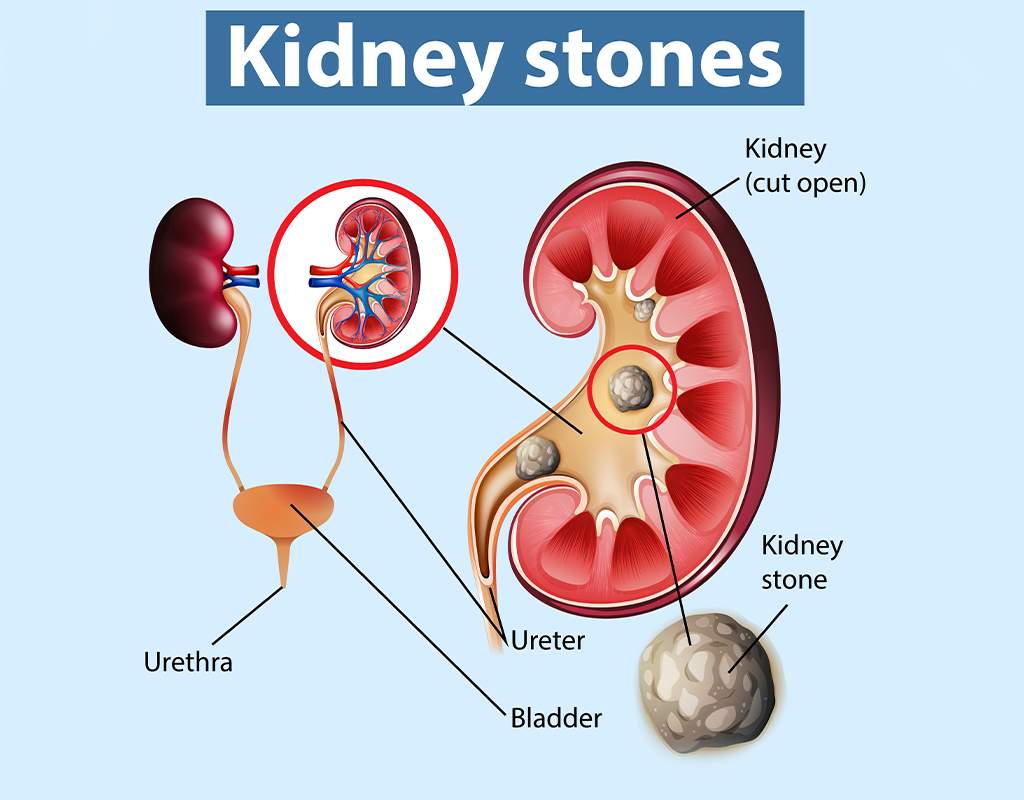
Kidney stones are crystalline deposits made up of minerals and salts that form inside the kidneys. They can vary in size and shape, ranging from tiny crystals to large stones that can cause significant pain and complications. These stones develop when urine becomes concentrated, allowing minerals to crystallize and stick together.

Symptoms

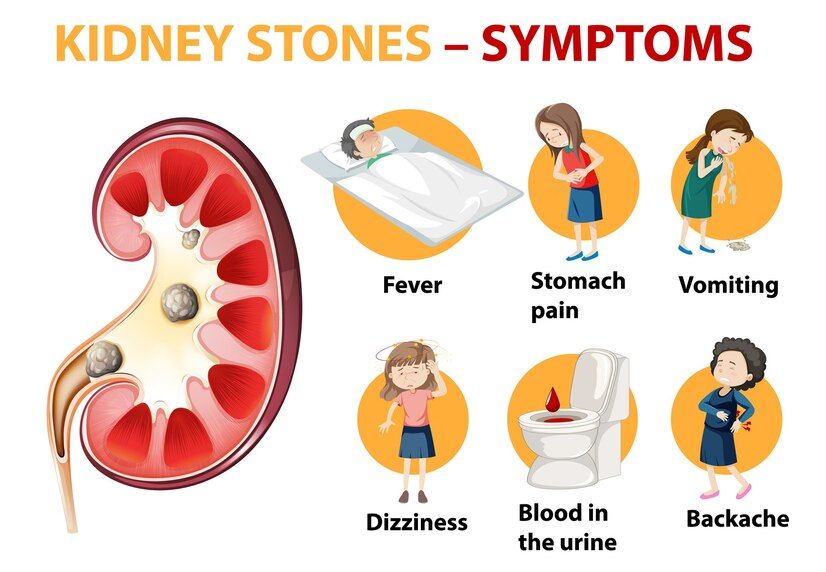
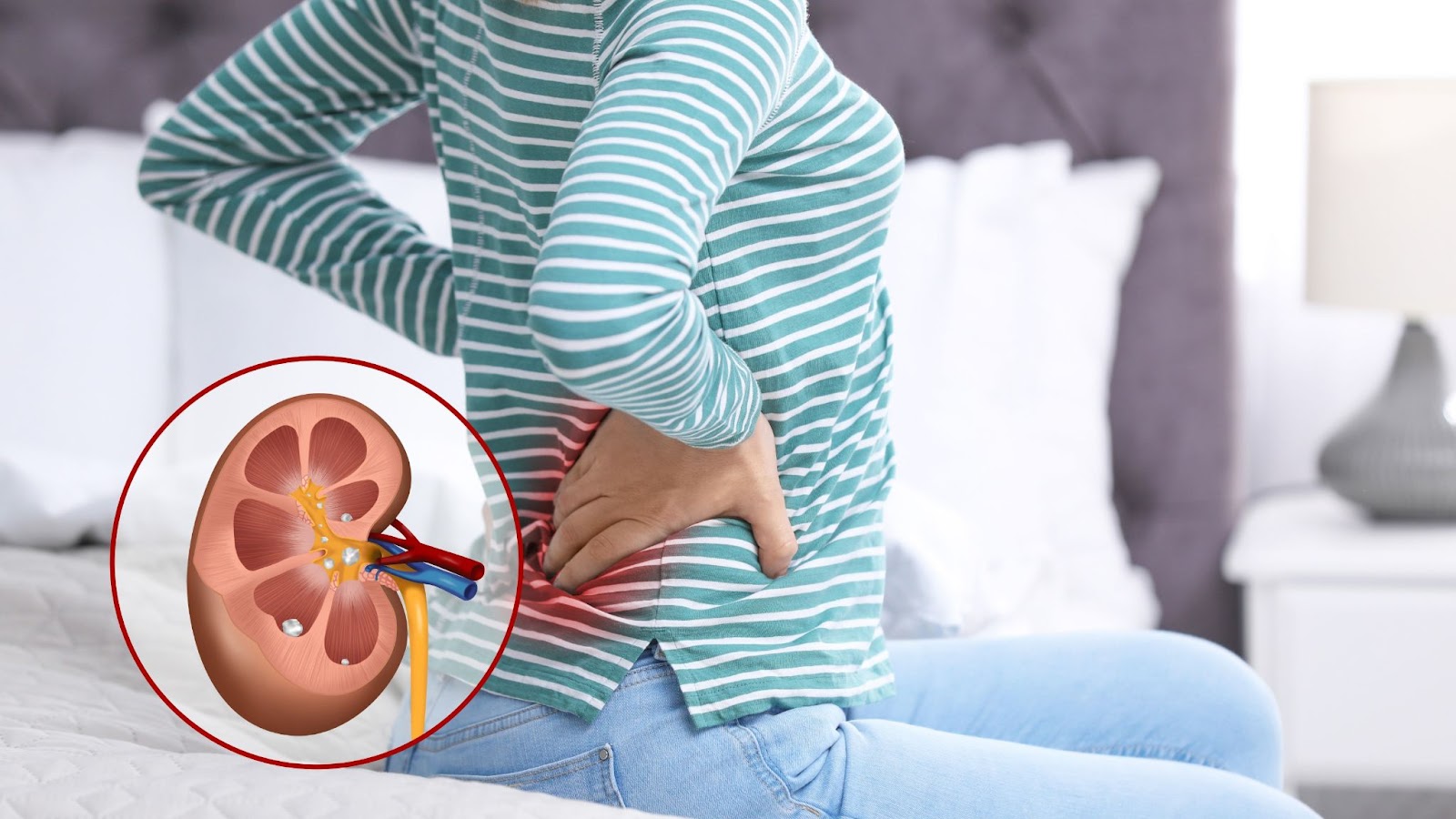
The symptoms of kidney stones can vary based on the size and location of the stone but typically include:

Severe Pain: Sharp pain in the side or back, often radiating to the lower abdomen and groin.

Hematuria: Blood in the urine, which may appear pink, red, or brown.

Nausea and Vomiting: Frequently accompany the pain.

Frequent Urination: Increased urgency and frequency.

Cloudy or Foul-Smelling Urine: May indicate infection or crystallization.

Pain during Urination: Discomfort when urinating.


Types

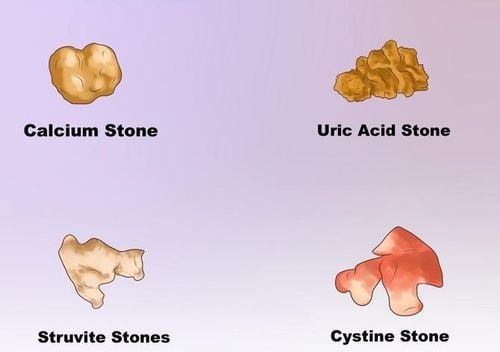
Kidney stones can be classified into several types based on their composition:

Calcium Stones: The most common type, usually made of calcium oxalate or calcium phosphate.

Struvite Stones: Often linked to urinary tract infections; these stones can grow quickly and are usually larger.

Uric Acid Stones: Form when urine is too acidic; they are more common in men and those with specific medical conditions.

Cystine Stones: Rare stones found in individuals with a hereditary condition called cystinuria.

Risk Factors

Several factors may increase the risk of developing kidney stones:

Dehydration: Insufficient fluid intake can lead to concentrated urine.

Diet: High intake of protein, sodium, and sugar can contribute to stone formation.

Obesity: Increases the likelihood of developing stones.

Family History: A family history of kidney stones can elevate personal risk.

Certain Medical Conditions: Conditions like gout, diabetes, and some gastrointestinal disorders can heighten the risk.

Certain Medications: Some medications may contribute to stone formation.

Homeopathy Medicine for Kidney Stone

Homeopathy offers various remedies that may assist in managing kidney stones and alleviating symptoms, including:

Berberis Vulgaris: Helpful for renal colic and pain in the kidneys, as well as radiating pain to the bladder.

Lycopodium: Effective for kidney stones, particularly with pain in the lower abdomen and urinary discomfort.

Nux Vomica: Can relieve irritation during urination and may help with nausea related to kidney stones.

Cantharis: Useful for burning pain during urination and bladder irritation.

These homeopathic remedies are considered among the best homeopathy medicines for kidney stone treatment, offering a natural approach to managing symptoms.

Since homeopathy treatments are individualized, consulting a qualified homeopath is essential for a tailored remedy based on your specific symptoms and overall health.

In addition to homeopathic treatments, maintaining proper hydration and making dietary adjustments can help prevent kidney stones from forming. If you're looking for kidney stone treatment in homeopathy, 

consult with a qualified practitioner to discuss your options and find the most appropriate remedies for your situation.

In conclusion
homeopathy presents a gentle yet effective approach to managing kidney stones, emphasizing individualized care and natural remedies. By addressing not only the symptoms but also the underlying causes of kidney stones, homeopathy seeks to provide lasting relief and prevent recurrence. If you or a loved one is struggling with kidney stones, consulting a qualified homeopath can be a crucial step toward finding a personalized treatment plan. Embracing this holistic method can lead to improved kidney health and overall well-being, ensuring a brighter, stone-free future.

Disclaimer

The information provided in this article is for educational purposes only and is not intended to replace professional medical advice, diagnosis, or treatment. Homeopathic remedies for kidney stones should be used under the guidance of a qualified healthcare provider. Always consult your doctor or a licensed homeopath before starting any treatment, especially if you have pre-existing medical conditions or are taking other medications. 


Monday, September 9, 2024

Homeopathic Treatment for Warts with Dr. Deepika


Warts are a common skin condition caused by the human papillomavirus (HPV). Though they are typically harmless, they can cause discomfort and embarrassment depending on their location. Fortunately, homeopathy offers a natural and effective solution for treating warts.

What Are Warts?

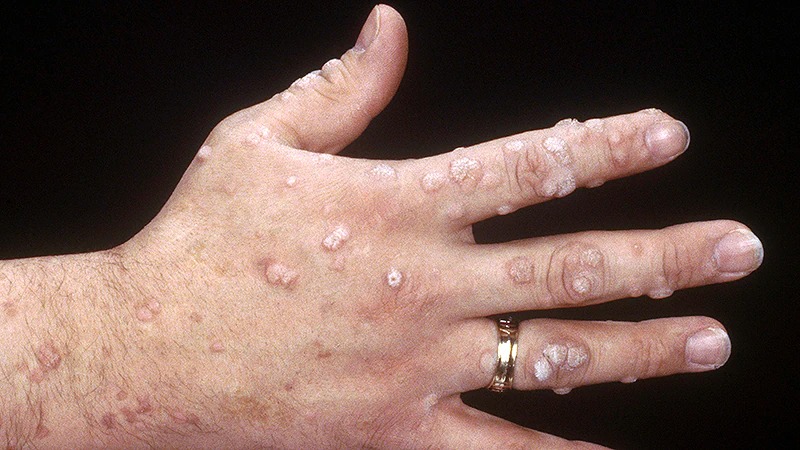
Warts are small, grainy skin growths caused by HPV, which enters the skin through tiny cuts or abrasions. They can appear on different parts of the body and vary in appearance based on their type and location. Warts are non-cancerous but can spread to other areas of the body or to others through direct contact.

Types of Warts

Understanding the different types of warts can help in identifying and treating them properly. The main types include:

  1. Common Warts: These warts usually appear on the hands or fingers and have a rough texture.

  2. Plantar Warts: Found on the soles of the feet, these warts may cause pain while walking due to their inward growth.

  3. Flat Warts: These are smaller and smoother than other types, often appearing on the face, neck, and hands.

  4. Genital Warts: These warts affect the genital area and are sexually transmitted.

  5. Filiform Warts: These thin, long warts typically grow on the face, around the mouth, eyes, or nose.

Symptoms

Warts can vary in appearance, but common symptoms include:

  • Small, rough, and flesh-colored bumps on the skin

  • Raised bumps with a rough surface

  • Pain or discomfort when warts appear on pressure points like the feet

  • Itchiness or irritation around the wart area

  • In some cases, warts may bleed or spread to other parts of the body

Homeopathic Treatment for Warts

Homeopathy offers a holistic approach to treating warts by addressing the root cause and boosting the immune system to fight HPV. Dr. Deepika’s homeopathic remedies are customized to each patient's needs, ensuring safe and effective results. Below are some popular homeopathic medicines for warts:

  1. Homeopathic Medicine for Warts Removal: These remedies focus on eliminating the warts naturally and gently, without leaving scars or causing discomfort.

  2. Homeopathic Medicine for Genital Warts: Specifically formulated for warts in the genital area, these medicines provide relief while avoiding the side effects commonly associated with conventional treatments.

  3. Homeopathic Medicine for Warts on Face: Warts on the face can be particularly concerning due to their visibility. Homeopathy offers solutions that are gentle on the skin while effectively removing facial warts.

Homeopathic treatment for warts takes into account the patient’s overall health, lifestyle, and specific symptoms, ensuring a personalized and long-lasting solution.

Conclusion

Warts, though benign, can cause discomfort and affect self-esteem. Homeopathic medicine for warts offers a natural, safe, and effective approach to treating various types of warts, from common to genital warts. Dr. Deepika’s homeopathic treatment not only focuses on wart removal but also strengthens the immune system, helping to prevent recurrences. Consult with Dr. Deepika to explore the best homeopathic remedies for your wart concerns, whether they appear on the face, hands, or other sensitive areas.

Contact us at:
ЁЯУЮ 7652005589
ЁЯПв Shop No: PF-23, TOT Mall, C Block, Sector 62, Noida, 201301, India

Disclaimer:

The information provided in this blog is for educational purposes only and should not be considered as medical advice. Please consult with a qualified homeopathic practitioner or healthcare professional before starting any treatment. Homeopathic remedies may vary depending on individual symptoms and conditions, and a proper consultation is essential for personalized care. Dr. Deepika and her team provide professional advice tailored to each patient's specific needs.


Wednesday, September 4, 2024

Homeopathy treatment for dandruff Problems


Dealing with dandruff can be frustrating, especially when the symptoms persist despite trying multiple treatments. Homeopathy offers a natural, safe, and effective approach to managing dandruff issues. In this blog, we will explore the causes, symptoms, and homeopathic solutions for dandruff, including specific remedies that can help. Let’s dive in step by step.

What is Dandruff?

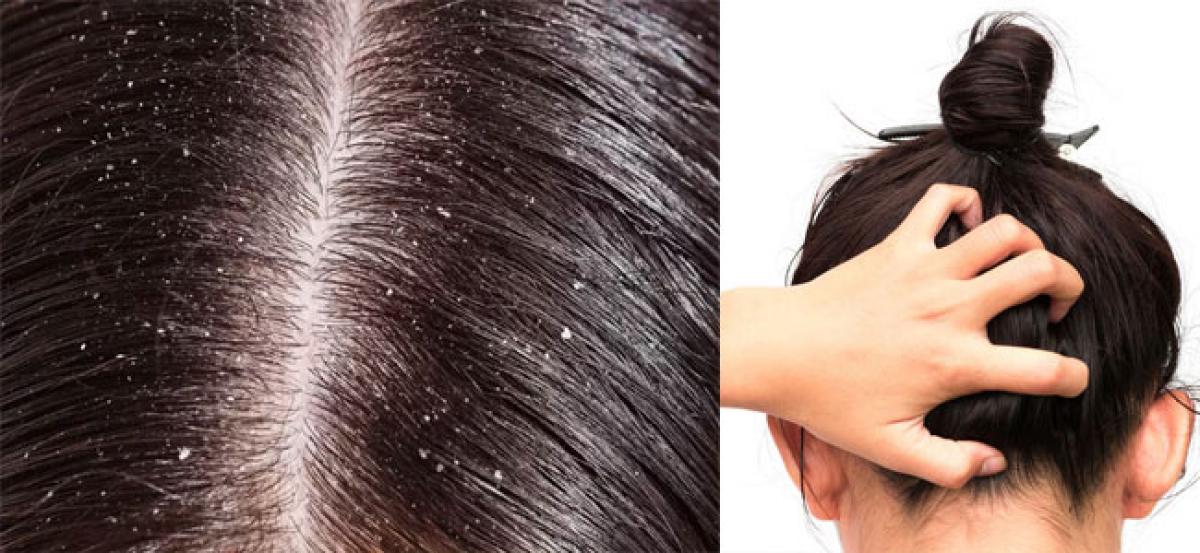
Dandruff is a common scalp condition that causes flaky skin to appear on your scalp, often leading to itching and irritation. While dandruff isn't contagious or serious, it can be embarrassing and difficult to treat for many people. Fortunately, homeopathy provides a holistic solution that tackles the root causes of dandruff rather than merely masking the symptoms.

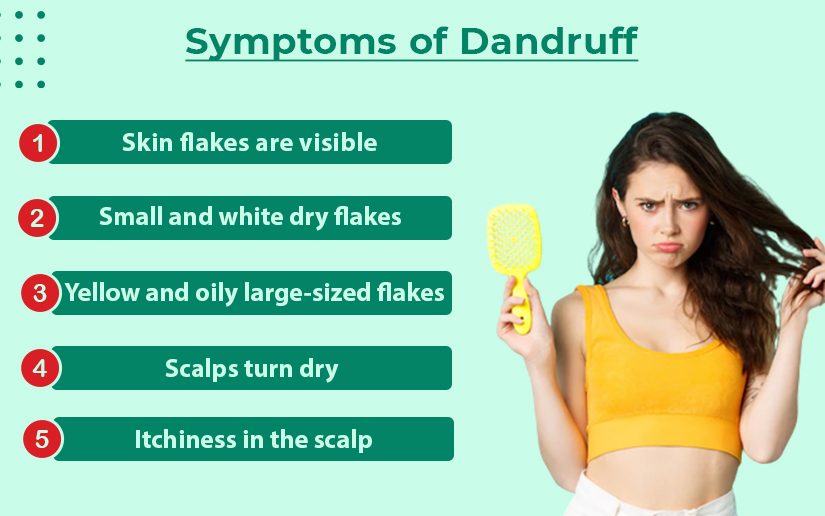
Symptoms of Dandruff

Identifying the symptoms of dandruff is crucial for seeking the right treatment. Common signs include:

  • Flakes: White or yellowish flakes of dead skin on the scalp, hair, and shoulders.

  • Itching: Persistent itching on the scalp, often accompanied by dryness.

  • Redness or Irritation: In some cases, the scalp may become inflamed or irritated.

  • Oily Scalp: Oily skin on the scalp can worsen dandruff symptoms, making the flakes greasy.

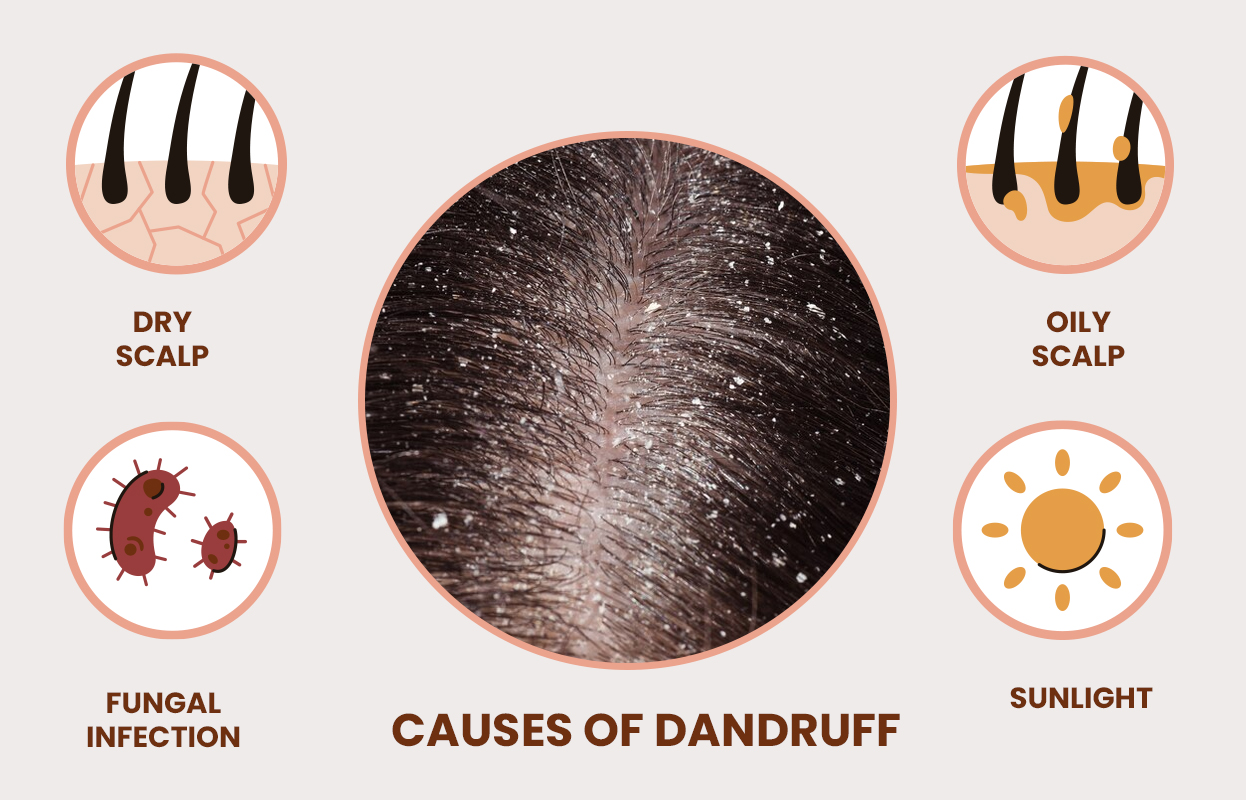
Causes of Dandruff

Dandruff can be caused by several factors, including:

  • Seborrheic Dermatitis: A skin condition that affects areas rich in oil glands, leading to flaky skin.

  • Fungal Infections: A yeast-like fungus called Malassezia can trigger dandruff.

  • Dry Skin: People with naturally dry skin are more prone to developing dandruff.

  • Product Buildup: Excessive use of hair products like gels or sprays can cause a buildup that leads to dandruff.

  • Stress: High stress levels can weaken the immune system and worsen dandruff.

Homeopathy Treatment for Dandruff

Homeopathy views dandruff not just as a skin problem but as a sign of deeper imbalances in the body. The homeopathic approach aims to restore overall health and treat the underlying causes of dandruff, providing long-term relief. Homeopathy works by:

  • Personalization: Treatments are customized to the individual’s unique symptoms and constitution.

  • Restoring Balance: Remedies aim to rebalance the body’s natural processes, reducing dandruff from within.

  • Safe & Gentle: Homeopathic medicines are natural, making them a safe choice for people of all ages.

When looking for an effective Homeopathy treatment for dandruff in homeopathy, it's essential to consult a qualified practitioner who can tailor the remedy to your specific condition.

Homeopathy Medicines for Dandruff

Several homeopathic medicines have proven effective in treating dandruff. Some of the most common remedies include:

  1. Arsenicum Album: Recommended for dry, scaly dandruff accompanied by itching and burning.

  2. Graphites: Useful for treating dandruff with thick, sticky, and yellowish scales.

  3. Thuja Occidentalis: Best suited for dandruff linked with oily hair and scalp, particularly if caused by fungal infections.

  4. Sulphur: Ideal for intense itching, redness, and irritation on the scalp.

  5. Natrum Muriaticum: Helpful for dry and flaking dandruff, especially in people with a history of scalp sensitivity.

Each of these remedies offers a specific homeopathy medicine for dandruff treatment, addressing both the symptoms and the root causes.

Dandruff Prevention

Preventing dandruff involves taking care of your scalp and maintaining good hygiene. Here are some tips:

  • Use Gentle Shampoos: Opt for mild shampoos that don't strip the scalp of natural oils.

  • Avoid Harsh Products: Minimize the use of hair products with harsh chemicals that can irritate the scalp.

  • Moisturize Your Scalp: Regularly oiling the scalp can help prevent dryness and flakes.

  • Manage Stress: Practice stress-reducing techniques such as meditation or yoga to avoid flare-ups.

  • Maintain a Healthy Diet: Include foods rich in omega-3 fatty acids, zinc, and vitamin B to support scalp health.

Following these steps can significantly reduce dandruff and support the effects of treatment for dandruff in homeopathy.

In Conclusion

Homeopathy offers a holistic and effective way to manage dandruff without resorting to harsh chemicals. The homeopathy medicine for dandruff treatment addresses not only the visible symptoms but also the root causes, promoting long-term relief. With personalized treatment plans and safe remedies, homeopathy ensures that your dandruff issue is treated in a natural, sustainable manner. Remember to consult a homeopathic practitioner to receive the right treatment tailored to your specific condition.

Contact us at:
ЁЯУЮ 7652005589
ЁЯПв Shop No: Shop No: O-113, ADDELA Mart, RAKSHA ADDELA, opposite VVIP Homes, Gaur City 2

Disclaimer

The information provided in this blog is for educational purposes only and should not be taken as medical advice. Always consult a qualified homeopath or healthcare provider before starting any treatment for dandruff in homeopathy.


Best Homeopathic Medicine for Joint Pain and Arthritis

  Joint pain and arthritis can greatly impact day-to-day functioning, leading to stiffness, swelling, and pain in the joints, including the ...